
Aromatherapy Candles The Ultimate Guide to Therapeutic Scents for Relaxation and Well Being
In a world that often feels chaotic and demanding, finding moments of peace is not just a luxury it is a necessity. We constantly seek ways to unplug, unwind, and restore our inner balance. One of the most effective, accessible, and ancient methods for doing this is through the power of scent. Aromatherapy candles are more than just sources of soft, flickering light; they are powerful tools for holistic healing, capable of transforming your environment and your state of mind.
Imagine walking into a room filled with the calming scent of lavender after a stressful day, or waking up to the invigorating aroma of citrus to jumpstart your morning. This is the promise of aromatherapy. By harnessing the potent properties of essential oils, aromatherapy candles bridge the gap between physical comfort and emotional well-being. In this comprehensive guide, we will explore the science, art, and profound benefits of these therapeutic candles, helping you curate a sanctuary of health and harmony right in your own home.
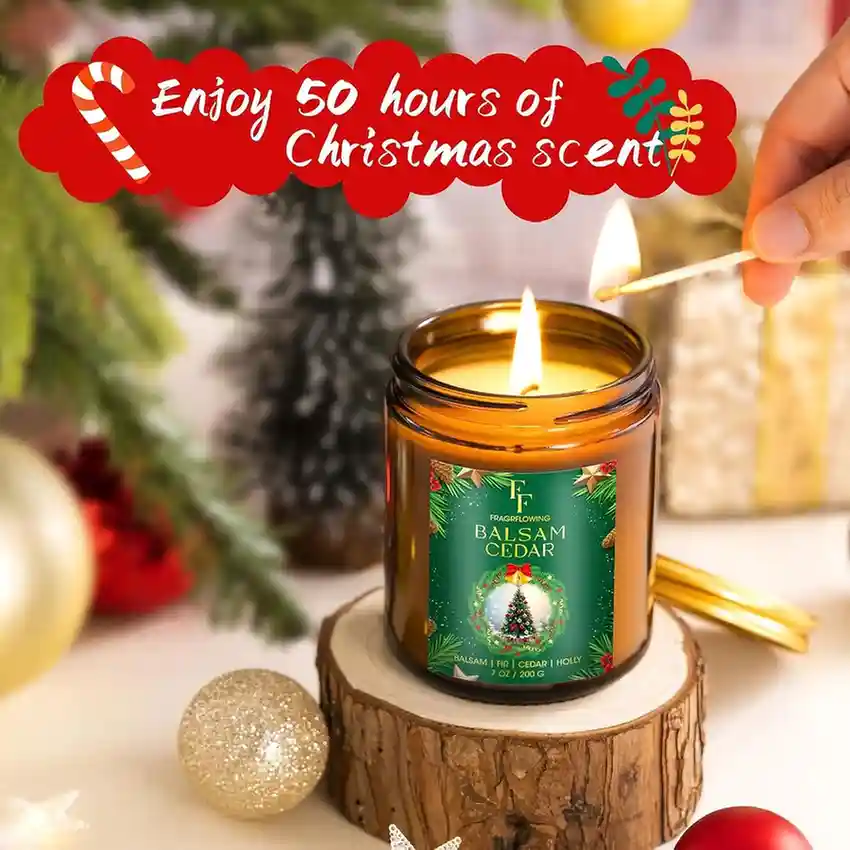
Christmas Candles Set, Scented Candles for Home
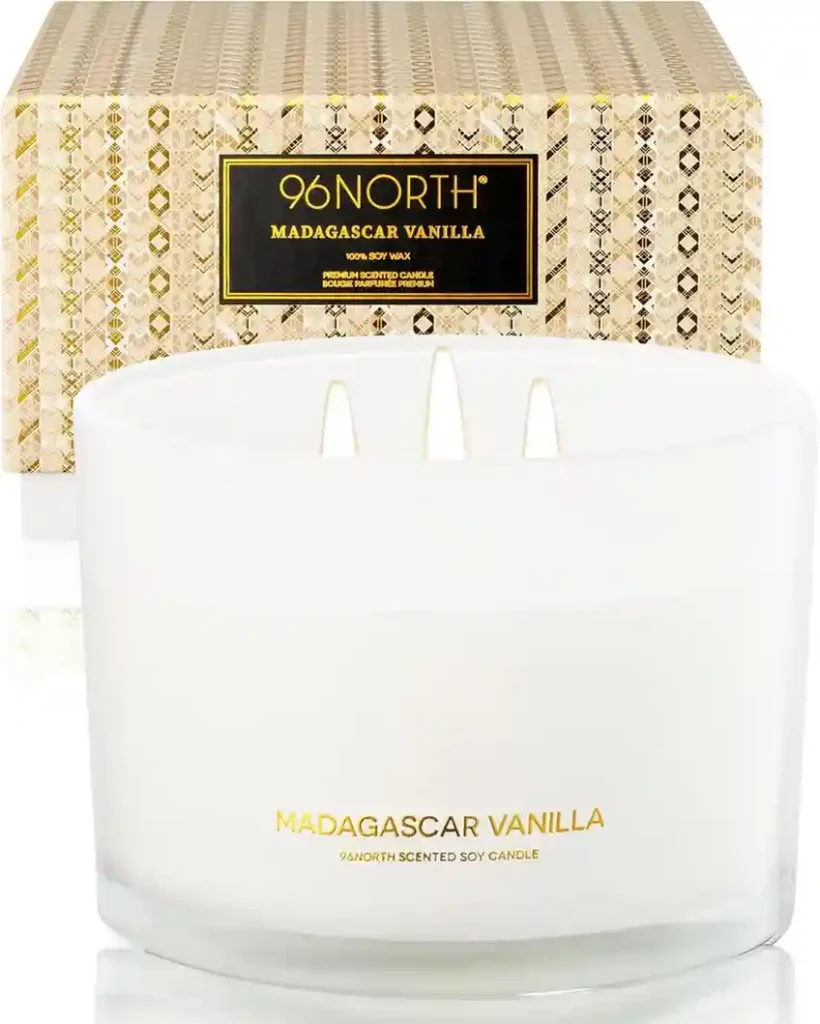
Luxury Vanilla Soy Candles | Large 3 Wick Jar Candle
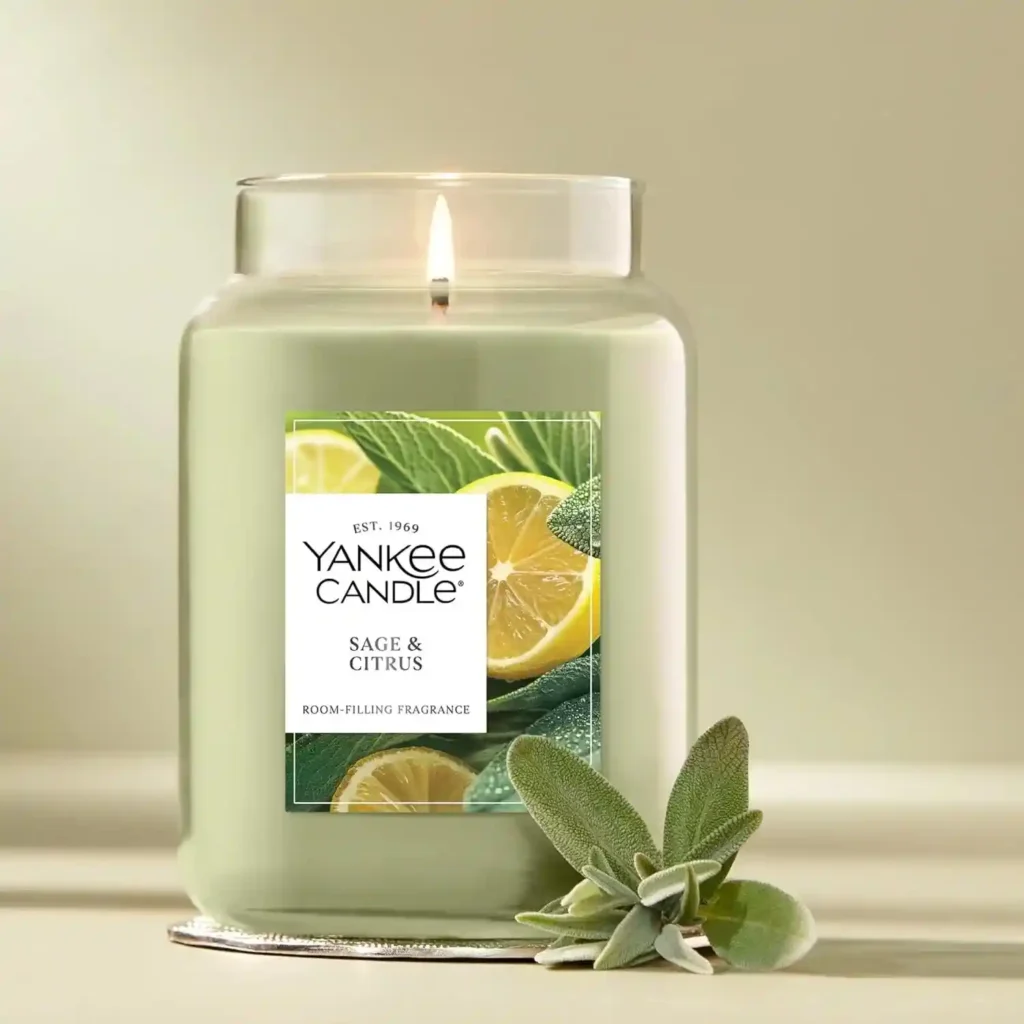
Yankee Candle Sage & Citrus, Scented Candle
Homsolver Gifts for Dad, Fathers Day Christmas Birthday Dad Gifts from Daughter Son
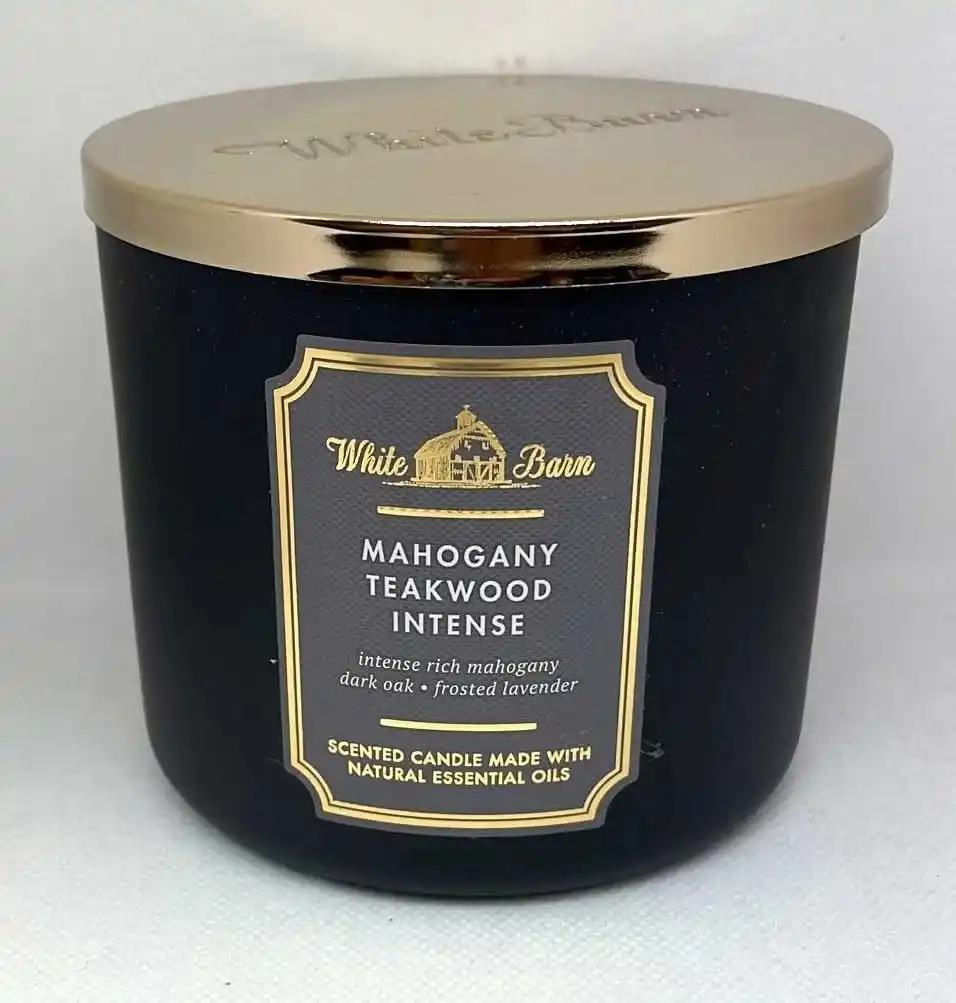
Bath & Body Works White Barn 3-Wick Candle
Funny Birthday Gifts for Mom,Mom Gifts from Daughter Son,Unique Mothers

Homsolver Gifts for Women, Birthday Gifts for Women
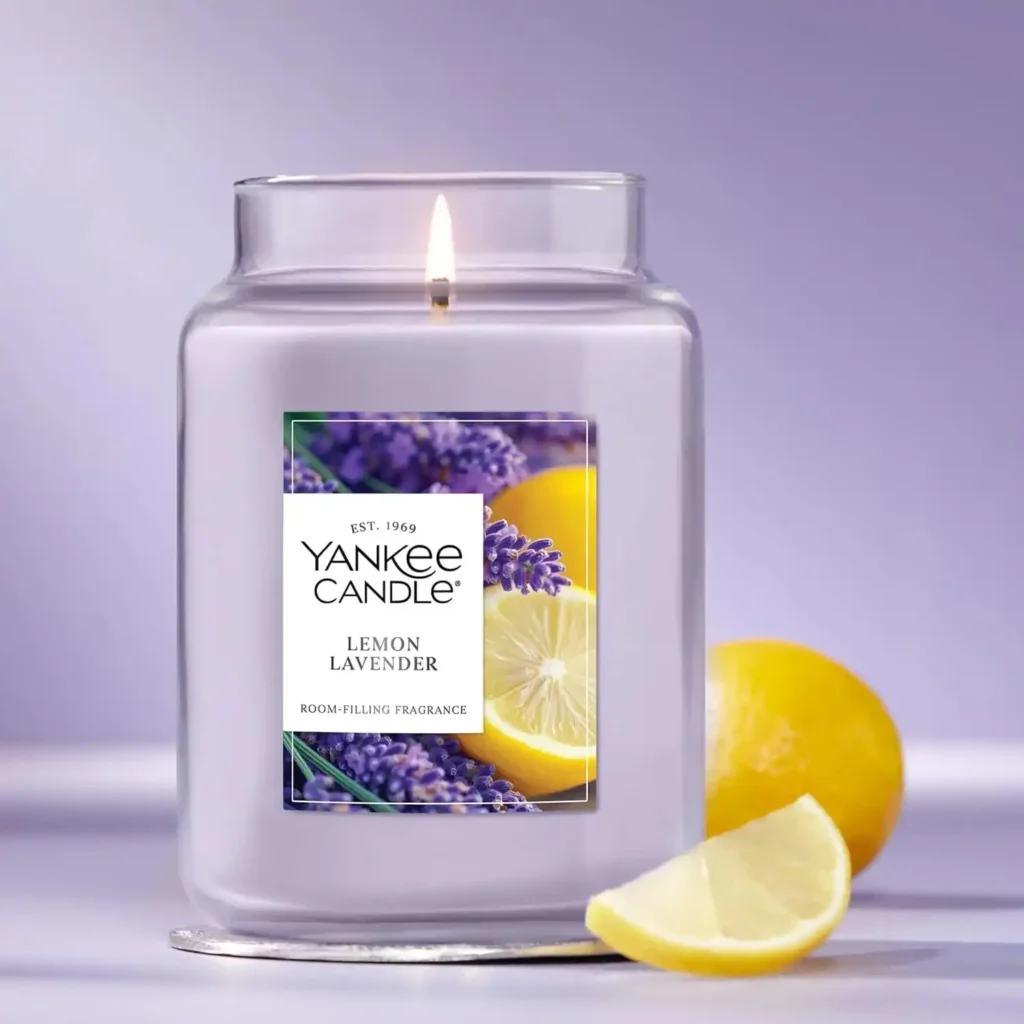
Yankee Candle Lemon Lavender, Scented Candle,
BFJLIFE Candles Gifts for Women Stocking Stuffers Funny Unique Christmas
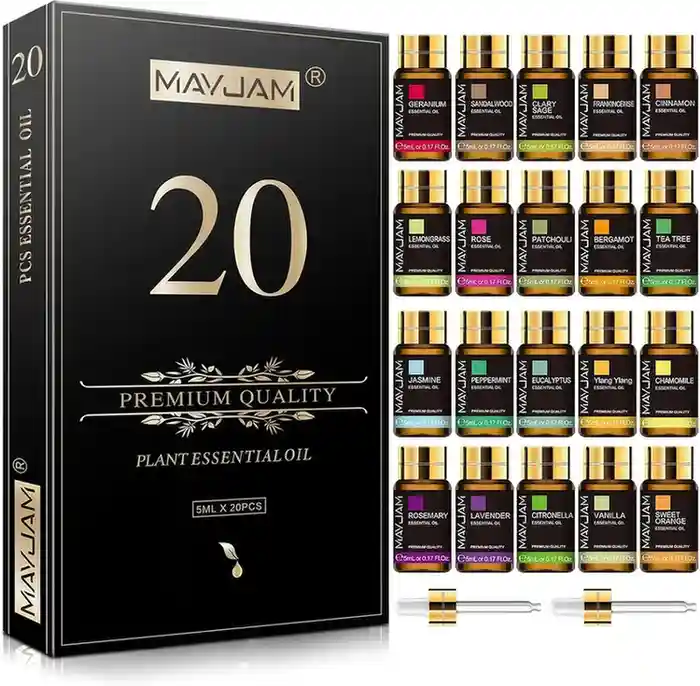
MAYJAM Tea Tree 20 Pcs Pure Essential Oil Gift Set, for Diffuser, Humidifiers
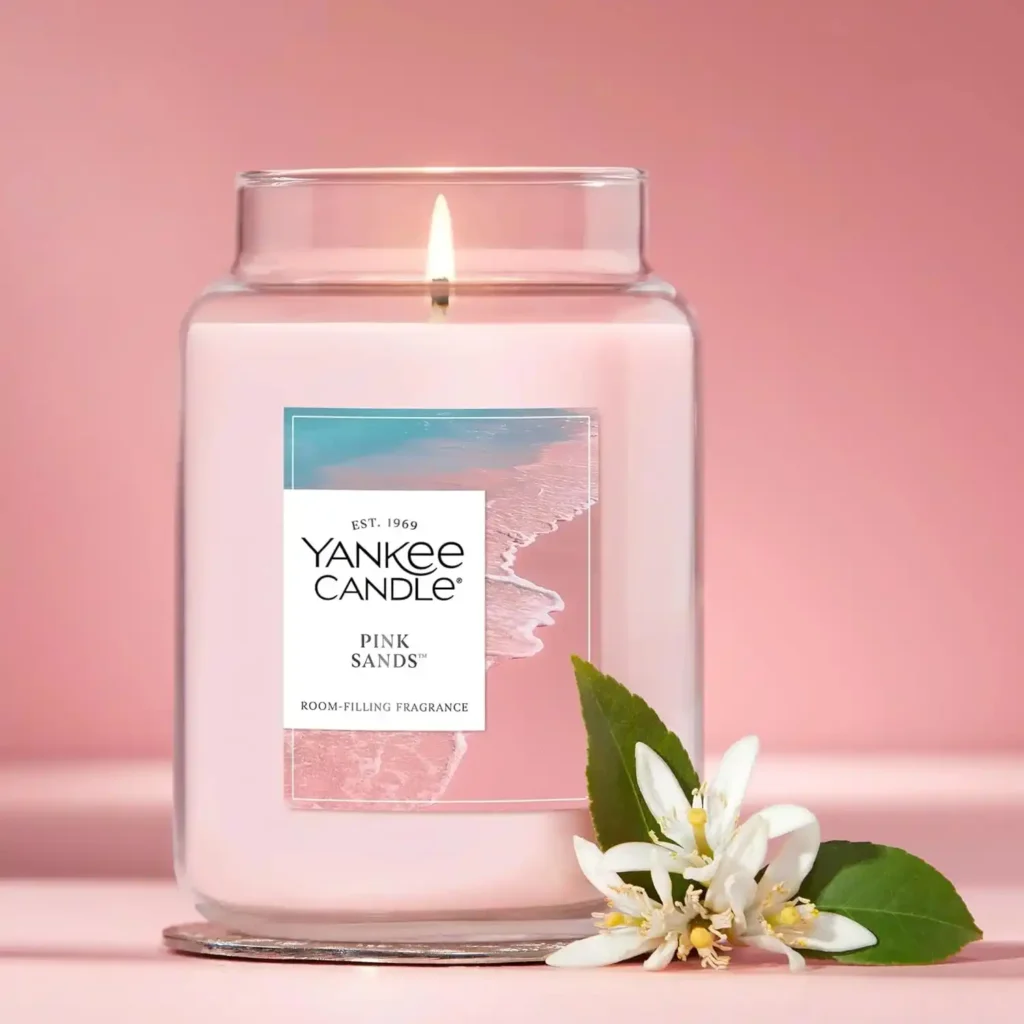
Yankee Candle Pink Sands, Scented Candle,
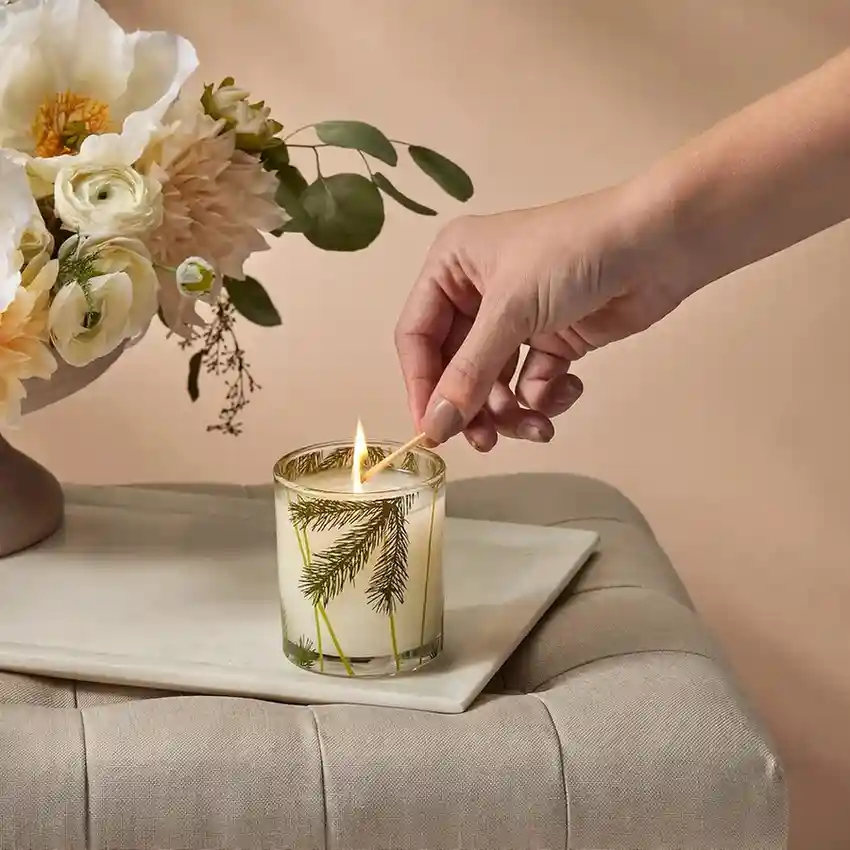
Thymes Frasier Fir Pine Needle Candle Holiday Candles
What Are Aromatherapy Candles? A Beginner’s Guide to Their Healing Scents and Benefits
Aromatherapy candles are a specialized type of candle formulated with pure essential oils rather than synthetic fragrances. While a standard jar scented candle might smell pleasant, it is often designed purely for enjoyment. An aromatherapy candle, however, is designed with a specific therapeutic purpose in mind to improve physical, mental, and spiritual well-being.
The practice of aromatherapy uses aromatic plant extracts to promote health. When these extracts are infused into candle wax, they are released into the air as the candle burns. This allows you to inhale the beneficial molecules, which then interact with your body and brain. Whether you are looking to alleviate anxiety, boost energy, or improve sleep quality, there is an aromatherapy candle crafted to support that need. They act as a gentle, passive form of therapy that fits seamlessly into your daily routine.
How Aromatherapy Candles Work The Science Behind the Soothing Power of Scent
The effectiveness of aromatherapy candles is rooted in the intricate connection between our sense of smell and the brain. When you inhale the aroma from a burning candle, odor molecules travel through the nose and bind to olfactory receptors. These receptors send signals directly to the limbic system the primitive part of the brain responsible for emotions, memories, and arousal.
Unlike other senses, scent bypasses the thalamus (the brain’s relay station) and goes straight to the emotional center. This is why a smell can instantly trigger a vivid memory or a strong feeling.
- Physiological Response: Essential oils can trigger the release of neurochemicals like serotonin and dopamine, which help regulate mood. For example, inhaling lavender can increase alpha waves in the back of the brain, which are associated with relaxation.
- Respiratory Absorption: As you breathe in the volatile organic compounds from the essential oils, they enter the lungs and can be absorbed into the bloodstream, where they can exert pharmacological effects, such as reducing inflammation or boosting the immune system.
Key Ingredients in Aromatherapy Candles What Makes Them Effective for Wellness?
Not all candles are created equal. To be truly therapeutic, an aromatherapy candle must be made with high-quality, natural ingredients.
Exploring the Role of Essential Oils, Natural Waxes, and Botanicals in Aromatherapy Candles
- Essential Oils: This is the most critical component. These are concentrated hydrophobic liquids containing volatile chemical compounds from plants. Authentic aromatherapy requires 100% pure essential oils. Synthetic fragrance oils, while smelling good, do not carry the same therapeutic properties.
- Natural Waxes: The carrier for the oil is just as important. Soy wax candles, beeswax, and coconut wax are preferred over paraffin. Natural waxes burn cleaner, producing less soot and toxins, ensuring that you are breathing in pure plant essence rather than petrochemical byproducts.
- Botanicals: Some aromatherapy candles include dried herbs or flowers suspended in the wax. While visually beautiful, they can also infuse the wax with subtle herbal properties as it melts.
- Wicks: A clean burn requires a lead-free wick, typically made of cotton, hemp, or wood. Wooden wicks can add a soothing crackling sound, enhancing the sensory experience.
How Aromatherapy Candles Are Made A Look at the Manufacturing Process for Therapeutic Scents
Creating an aromatherapy candle is a delicate process that requires precise temperature control to preserve the integrity of the volatile oils.
From Scent Blending to Candle Making: The Creation of Aromatherapy Candles
- Formulation: A master blender or aromatherapist creates a synergy a blend of oils that work together to achieve a specific goal (e.g., a “Sleep Blend” might combine Lavender, Chamomile, and Vetiver).
- Wax Preparation: Natural wax is melted gently. Unlike synthetic fragrances, essential oils can degrade if exposed to high heat. Therefore, the wax must be cooled to a specific, lower temperature before the oils are added.
- The Pour: The mixture is hand-poured into vessels. Hand-pouring is common in high-quality aromatherapy candles to ensure consistency and quality control.
- Curing: The candles are allowed to cure for a period, often longer than standard candles. This allows the essential oils to bind fully with the natural wax crystal structure, ensuring a strong “throw” (scent release) when burned.
How to Use Aromatherapy Candles Tips for Maximizing Their Therapeutic Effects
To truly benefit from aromatherapy, intention and proper usage are key. It’s not just about lighting a wick; it’s about creating a ritual.
Best Practices for Lighting and Enjoying Aromatherapy Candles for Stress Relief
- The 2-Hour Rule: Allow the candle to burn for at least two hours during your first session, or until the entire top layer of wax is liquid. This prevents tunneling and ensures the maximum surface area for oil release.
- Ideal Timing: Light your candle 20-30 minutes before you plan to use the room. This gives the oils time to evaporate and fill the space with therapeutic scent.
- Close the Door: To concentrate the aroma, keep doors and windows closed initially (unless you have sensitivities), creating a “scent tent” in the room.
- Mindful Breathing: Once the room is scented, practice deep breathing. Inhale deeply through your nose for a count of four, hold for four, and exhale for four. This draws the aromatic molecules deep into your respiratory system.
How to Create a Relaxing Atmosphere with Aromatherapy Candles in Your Home
- Bathroom Sanctuary: Turn a simple bath into a spa treatment. Place a calming candle like Eucalyptus or Lavender on the tub’s edge. The steam from the bath will help diffuse the oils even further.
- Meditation Corner: Use a grounding scent like Sandalwood or Frankincense in your meditation space. The ritual of lighting the candle can signal to your brain that it is time to shift inward. A ceremony incense holder alongside your candle can create a dedicated altar for your practice.
- Bedroom Oasis: Remove technology and light a soothing floral or woody candle an hour before bed to signal your body to produce melatonin.
The Top Benefits of Aromatherapy Candles More Than Just a Pleasant Fragrance
The benefits of these candles extend far beyond making your house smell nice. They are functional tools for health management.
How Aromatherapy Candles Promote Relaxation, Reduce Anxiety, and Improve Sleep
- Anxiety Reduction: In our high-stress lives, chronic anxiety is common. Scents like Bergamot and Ylang Ylang act as natural nervous system sedatives. Lighting a candle can lower blood pressure and heart rate.
- Sleep Hygiene: Insomnia often stems from a busy mind. Lavender is clinically proven to improve sleep quality by increasing slow-wave sleep (deep sleep). Incorporating a Lavender candle into your nightly routine creates a powerful cue for sleep.
- Stress Management: The act of self-care involved in using aromatherapy helps break the cycle of chronic stress, lowering cortisol levels and promoting a feeling of safety.
The Physical and Emotional Healing Properties of Aromatherapy Candles
- Pain Relief: Some scents, like Peppermint and Rosemary, have analgesic properties. Inhaling them can help alleviate tension headaches and migraines.
- Immune Support: Essential oils like Tea Tree, Eucalyptus, and Lemon have antimicrobial and antiviral properties. Burning these candles during cold and flu season can help purify the air and support respiratory health.
- Emotional Balance: For those dealing with grief or depression, uplifting scents like sweet orange or comforting scents like Rose can help shift emotional states and provide a sense of hope.
Popular Aromatherapy Candle Scents and Their Specific Benefits
Just as you would choose a specific medicine for an ailment, you should choose a specific scent for your needs.
Top Aromatherapy Candle Scents Lavender, Eucalyptus, Peppermint, Citrus, and More
- Lavender: The “Swiss Army Knife” of aromatherapy. Used for relaxation, sleep, stress relief, and headache reduction. Lavender incense sticks act similarly.
- Eucalyptus: Known for its sharp, camphorous scent. It clears the sinuses, aids breathing, and refreshes the mind. Great for mental exhaustion.
- Peppermint: Invigorating and cooling. It boosts energy, improves focus, and settles nausea.
- Citrus (Lemon, Orange, Grapefruit): The “Sunshine” scents. They are uplifting, energizing, and excellent for improving mood and concentration.
- Rose: A complex floral known for emotional healing. It soothes the heart, reduces anxiety, and is often used for self-love rituals. Red Rose Incense is a popular alternative.
- Sandalwood: A deep, woody scent used for grounding and spiritual connection. It helps quiet mental chatter. Sandalwood incense sticks are a staple in meditative practices.
Choosing the Right Aromatherapy Candle Scent for Your Mood and Needs
- For Morning Energy: Choose Lemon, Grapefruit, or Peppermint.
- For Work/Study Focus: Choose Rosemary, Basil, or Lemongrass. Lemongrass incense sticks are also effective for clarity.
- For Evening Relaxation: Choose Lavender, Chamomile, or Vanilla.
- For Romantic Ambience: Choose Jasmine, Ylang Ylang, or Patchouli. Fragrance patchouli is known for its earthy, sensual appeal.
A Complete Buying Guide for Aromatherapy Candles: How to Choose the Best Candle for Wellness
The market is flooded with candles labeled “aromatherapy,” but many are imposters. Here is how to spot the real deal.
Key Features to Look for When Purchasing Aromatherapy Candles
- “100% Pure Essential Oils”: Look for this exact phrase. Terms like “fragrance,” “parfum,” or “nature-identical” usually indicate synthetic ingredients.
- Wax Type: Verify it is a natural vegetable wax (soy, coconut, rapeseed) or beeswax. Avoid “paraffin blend.”
- Transparency: Reputable brands will list the Latin names of the plants used (e.g., Lavandula angustifolia instead of just “Lavender”).
- Container: Essential oils can degrade in sunlight. Amber jars or opaque vessels are often better for preserving the therapeutic properties than clear glass.
Where to Buy High-Quality Aromatherapy Candles Trusted Brands and Retailers
- Wellness Boutiques: Shops that specialize in yoga, meditation, and natural health often curate high-quality selections.
- Artisan Markets: Local makers often produce small-batch, high-quality candles where you can ask directly about ingredients.
- Specialized Online Retailers: Websites dedicated to incense sticks and home fragrance often carry reputable aromatherapy lines alongside brands like Aromatherapy Associates and Shoyeido Incense.
Health, Safety, and Environmental Considerations When Using Aromatherapy Candles
While natural, essential oils are potent and should be used with respect.
Are Aromatherapy Candles Safe to Use Indoors? Tips for Safe and Effective Use
Yes, they are generally safer than synthetic candles because they release fewer volatile organic compounds (VOCs). However, smoke is still smoke.
- Limit Burn Time: Do not burn for more than 3-4 hours at a time to prevent carbon buildup on the wick.
- Ventilation: While you want to concentrate the scent, ensure the room isn’t airtight. Fresh air circulation is healthy.
- Trim the Wick: Keep the wick at 1/4 inch to prevent soot and ensure a clean burn.
Health Considerations How to Burn Aromatherapy Candles Safely Around Children and Pets
- Pets: Some essential oils are toxic to pets. Tea Tree, Peppermint, Wintergreen, and Pine can be harmful to dogs and especially cats if inhaled in high concentrations. Always research specific oils before burning them around animals and ensure they can leave the room.
- Children: Keep candles out of reach. For young children, stick to gentle scents like Lavender and Chamomile and avoid strong oils like Eucalyptus which can sometimes irritate young airways.
- Pregnancy: Some oils (like Clary Sage and Rosemary) should be avoided during pregnancy. Consult a healthcare provider before use.
Choosing Eco-Friendly and Non-Toxic Aromatherapy Candles What to Look For
- Sustainable Wax: Soy and coconut are renewable. Paraffin is a petroleum byproduct.
- Ethical Sourcing: Look for brands that source their oils sustainably. Plants like Sandalwood and Rosewood are vulnerable to over-harvesting.
- Recyclable Packaging: Glass, tin, and ceramic are preferable to plastic. Reusing the vessel is the most eco-friendly option.
How to Care for and Maintain Your Aromatherapy Candles to Preserve Their Scent and Effectiveness
Essential oils are volatile, meaning they evaporate easily. Proper care ensures your candle stays potent.
How to Properly Store and Care for Your Aromatherapy Candles for Long-Lasting Use
- Lids On: Always replace the lid immediately after the candle cools. This stops the essential oils from evaporating into the air when the candle isn’t lit.
- Cool & Dark: Store candles away from direct sunlight and heat sources, which can alter the chemical composition of the oils and melt the wax.
Candle Maintenance Tips How to Extend the Life and Effectiveness of Aromatherapy Candles
- Use a Snuffer: Blowing out a candle creates smoke that masks the beautiful aroma you just created. Use a candle snuffer or dip the wick into the wax pool to extinguish it smoke-free.
- Center the Wick: If the wick drifts, gently push it back to the center while the wax is soft. This ensures an even burn next time.
Frequently Asked Questions About Aromatherapy Candles People Also Ask
What Are the Best Aromatherapy Candle Scents for Sleep and Relaxation?
Lavender, Chamomile, Valerian, and Vetiver are the gold standards for sleep. Blends containing these oils are highly effective at quieting the mind and preparing the body for rest.
How Long Do Aromatherapy Candles Burn, and How Can I Make Them Last Longer?
A standard 8oz soy aromatherapy candle burns for 40-50 hours. To maximize this, avoid drafts (which speed up burning) and always trim the wick before every use.
Can Aromatherapy Candles Be Used for Meditation or Yoga?
Absolutely. They are excellent for setting the intention of the space. Scents like Frankincense, Myrrh, and Palo Santo are traditionally used to enhance spiritual connection and focus during practice.
What’s the Difference Between Aromatherapy Candles and Regular Scented Candles?
Aromatherapy candles use pure essential oils with therapeutic properties. Regular scented candles use synthetic fragrance oils which mimic scents but do not offer the same physiological or psychological health benefits.
Are Aromatherapy Candles Safe for People with Allergies or Respiratory Issues?
They are often better tolerated than synthetic candles, but natural allergens exist. If you have specific plant allergies (e.g., ragweed), avoid related oils (e.g., chamomile). Always start with a short burn time to test your sensitivity.
Can aromatherapy candles really reduce stress?
Yes, scientific studies show that inhaling essential oils like Lavender and Bergamot can lower cortisol levels and reduce physiological signs of stress, such as heart rate and blood pressure.
What is the strongest smelling aromatherapy candle?
Scents like Eucalyptus, Peppermint, and Lemongrass tend to have a stronger, more pervasive “throw” than delicate florals. Brands using a high percentage of essential oils (10-12%) will be stronger.
Are soy candles better for aromatherapy?
Yes, soy wax has a lower melting point than paraffin. This creates a larger melt pool at a lower temperature, which helps release the essential oils into the air without burning them off.
Can I use aromatherapy candles if I have asthma?
Caution is advised. While natural, smoke and strong scents can trigger asthma. Use a candle warmer instead of burning the wick to release the scent without smoke, or stick to very mild scents.
Why do aromatherapy candles cost more?
Pure essential oils are significantly more expensive than synthetic fragrances. Producing just one pound of lavender oil requires hundreds of pounds of flowers, driving up the cost of the final product.
Do aromatherapy candles expire?
Yes, unlike synthetic candles, essential oils degrade over time. An aromatherapy candle is best used within 12 months of purchase for maximum therapeutic benefit.
What scent is good for headaches?
Peppermint and Eucalyptus are excellent for tension headaches. They have cooling properties and can help open nasal passages to relieve sinus pressure.
Can I mix different aromatherapy candles?
Yes, this is called layering. You can burn a Lemon candle and a Ginger candle together to create an energizing blend, or Lavender and Vanilla for a soothing mix.
Is it safe to leave an aromatherapy candle burning overnight?
No, never leave a burning candle unattended or while sleeping. This is a major fire hazard. Use an essential oil diffuser or a reed diffuser for overnight scent.
How do I stop my candle from tunneling?
Tunneling happens when the candle isn’t burned long enough. Ensure the first burn lasts until the wax melts to the edge of the jar. If it tunnels, wrap foil around the top to reflect heat and melt the edges.
What is the best wick for aromatherapy candles?
Cotton or wooden wicks are best. Avoid wicks with metal cores (which may contain lead or zinc) to ensure you aren’t adding toxins to the air you are trying to purify.
Can aromatherapy candles help with depression?
While not a cure, scents like Citrus (Orange, Lemon), Jasmine, and Rose can uplift mood and energy levels, serving as a supportive tool in managing symptoms of depression.
What does “Triple Scented” mean?
This is often a marketing term implying a higher fragrance load. However, in aromatherapy, there is a limit to how much oil wax can hold (usually 10-12%). Look for “high essential oil content” instead.
Are beeswax candles good for aromatherapy?
Yes, beeswax is excellent. It burns very clean and is said to release negative ions that purify the air. It has a natural, sweet honey scent that blends well with warm essential oils.
Can pets be allergic to aromatherapy candles?
Yes. Birds are highly sensitive. Cats lack a liver enzyme to break down certain compounds in oils like Tea Tree and Citrus. Always research specific oils regarding your specific pet.