
Wood Smelling Candles The Ultimate Guide to Earthy, Warm Scents for Your Home
There is something profoundly primal and comforting about the scent of the forest. The aroma of ancient trees, damp earth, and sun-warmed bark speaks to a part of us that craves connection with nature. In our modern, often sterile indoor environments, wood smelling candles offer a bridge back to the wild. They bring the grounding, sturdy essence of the outdoors into our living spaces, creating an atmosphere of warmth, sophistication, and deep relaxation.
Unlike the fleeting sweetness of fruit or the delicate perfume of flowers, woody scents endure. They are the olfactory equivalent of a heavy wool blanket or a crackling fireplace on a cold night. This comprehensive guide will explore the captivating world of wood-smelling candles, diving into their unique composition, their therapeutic benefits, and how you can use them to transform your home into a sanctuary of earthy elegance.
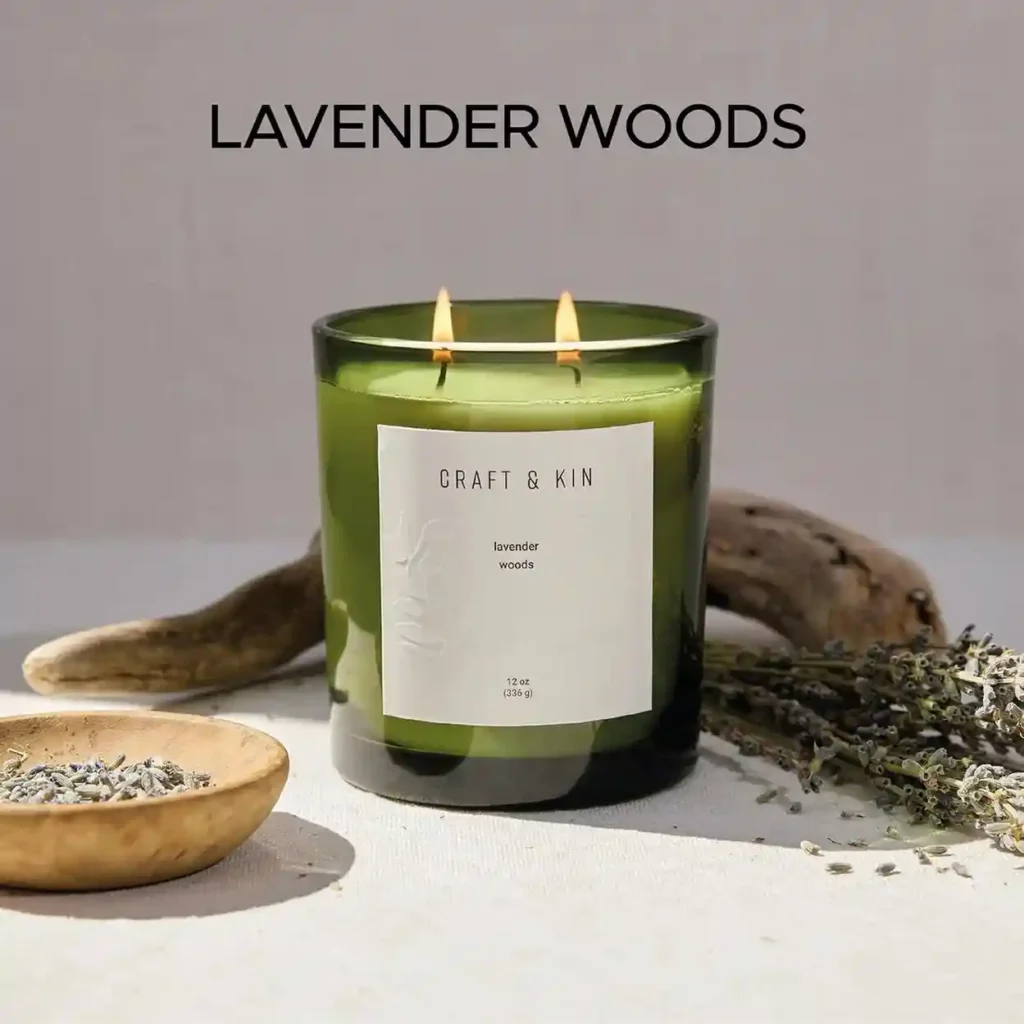
Craft & Kin Lavender Christmas Scented Candles
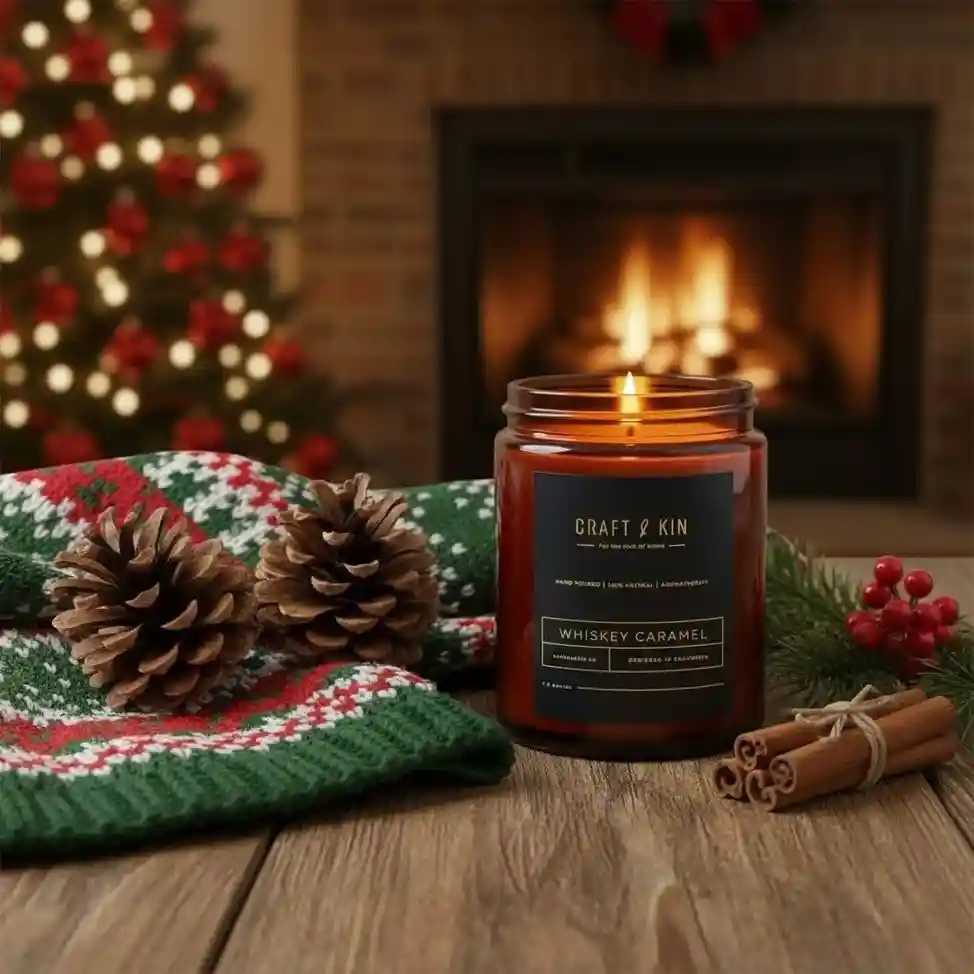
Craft & Kin Christmas Scented Candles for Men
Boy Smells Xxmas Tree Candle | Juniper, Evergreen
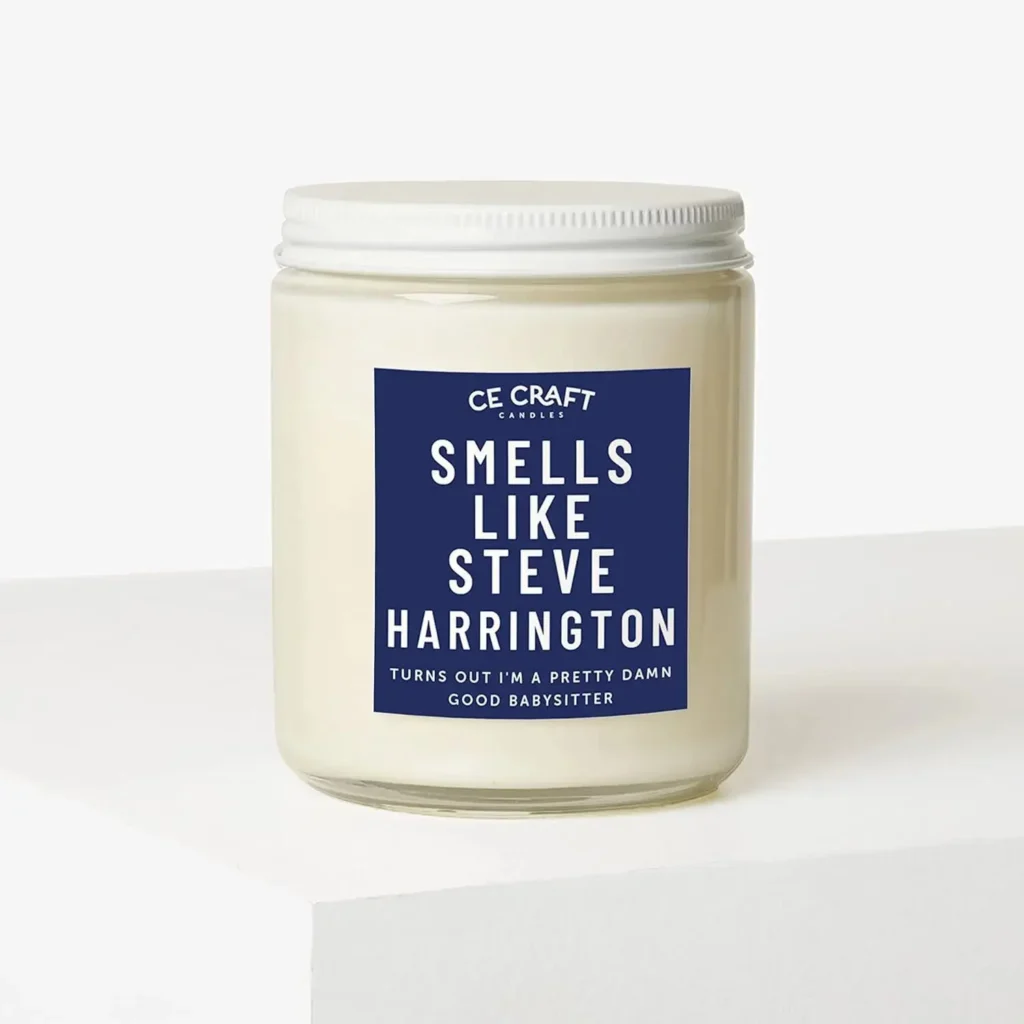
C&E Craft Smells Like Steve Harrington Scented Candle
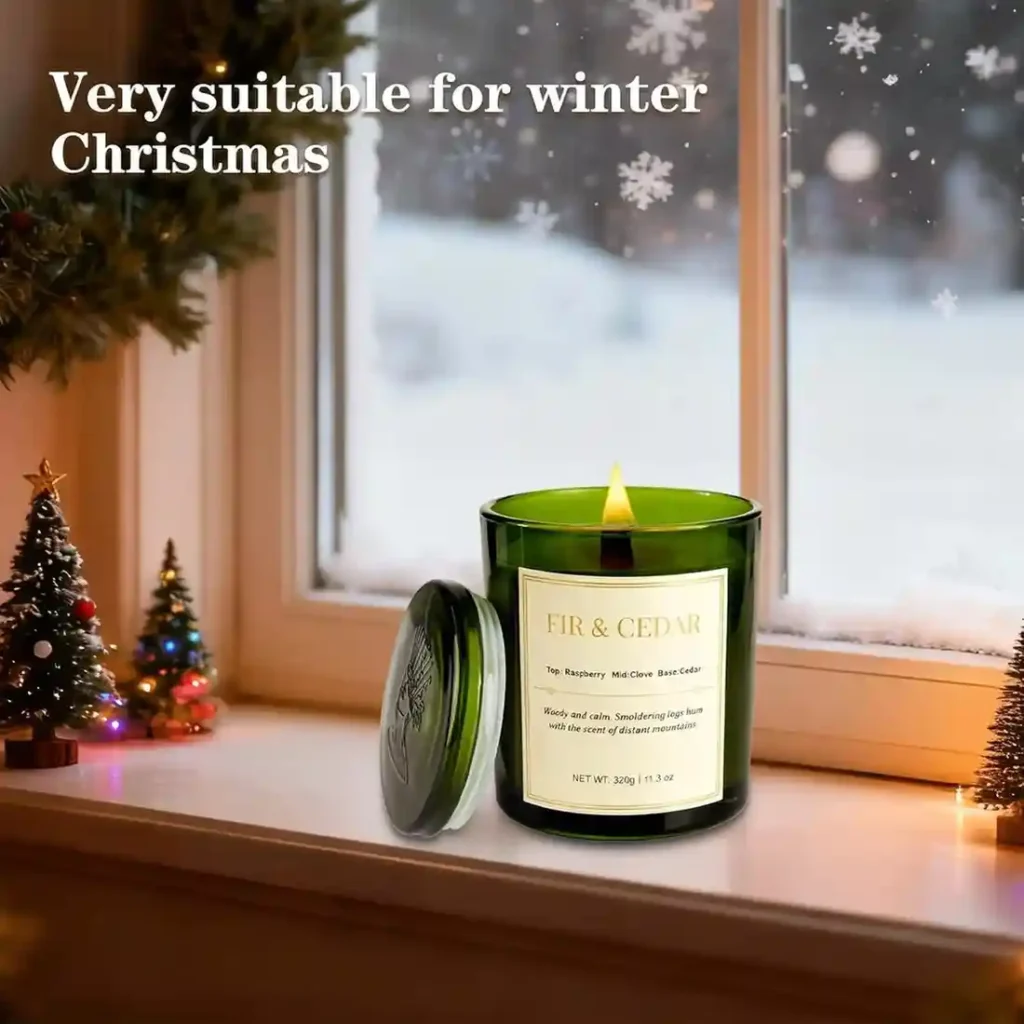
2 Pack Wood Wick Scented Candle Gift Set –Balsam Fir

Yankee Candle, Seaside Woods Scented Candle

Glade Cashmere Woods, Fragrance Candle Infused with Essential Oils
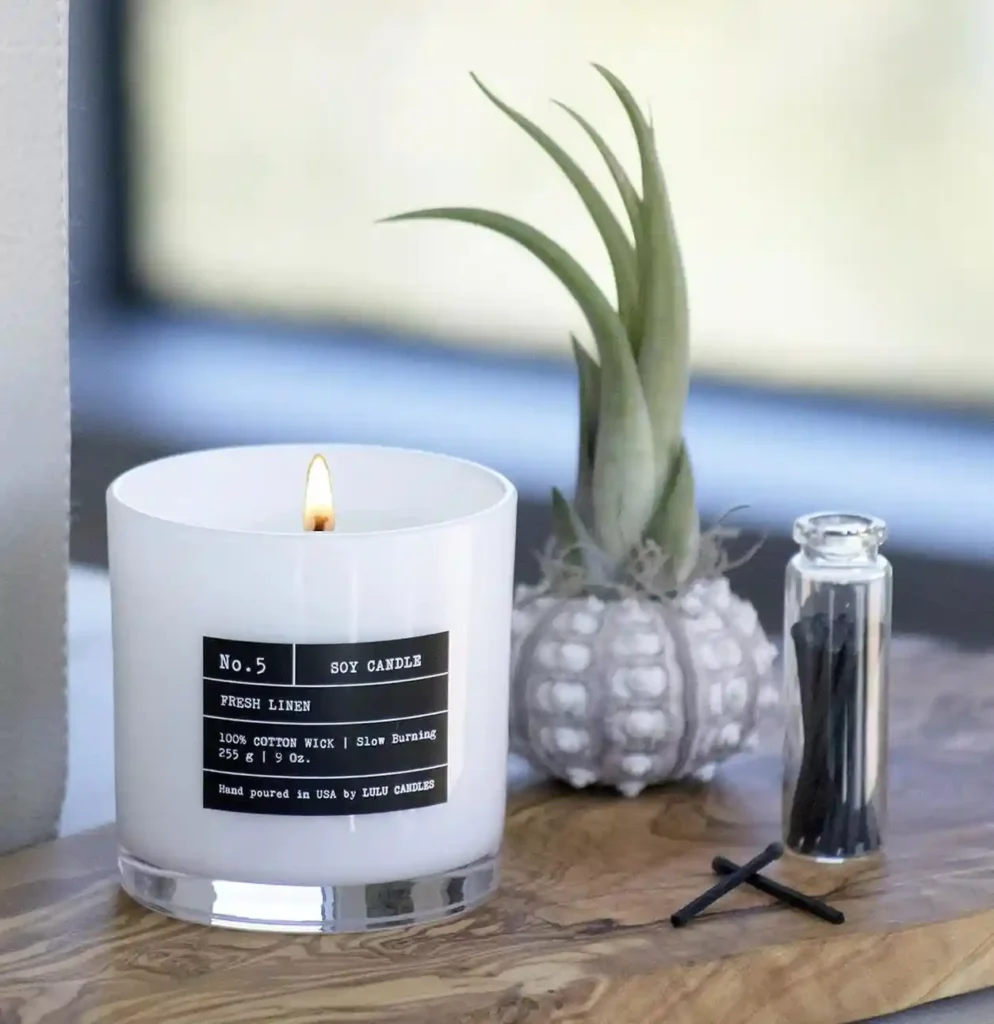
Lulu Candles | Balsam & Cedarwood | Smells Like Fresh Fir
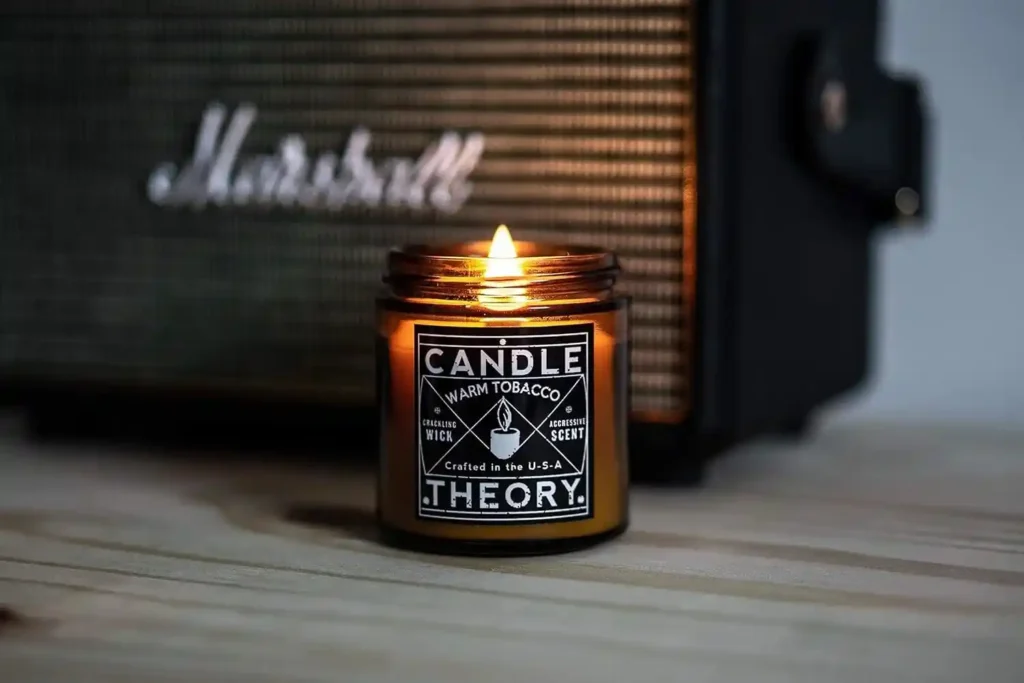
Scented Candle Gift Set with Crackling Wood Wicks
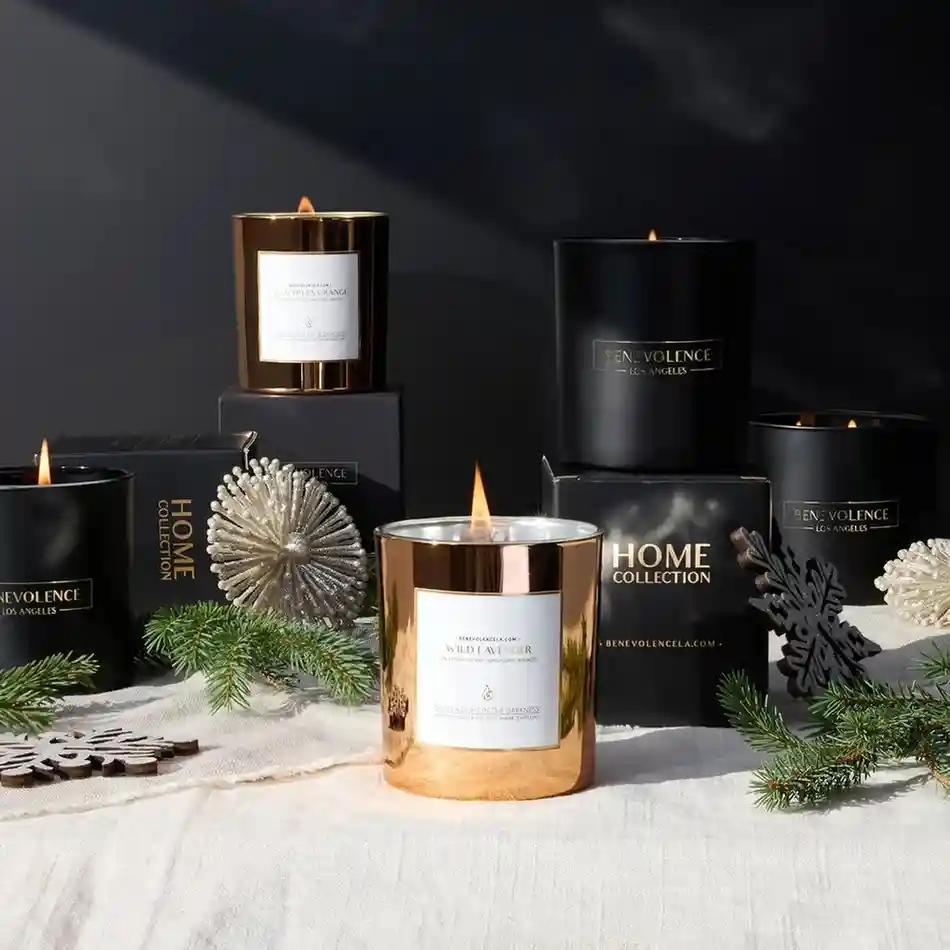
Benevolence LA Wild Lavender Wood Wick Candle

Thymes Noir Woods Scented Candles for Home Decor
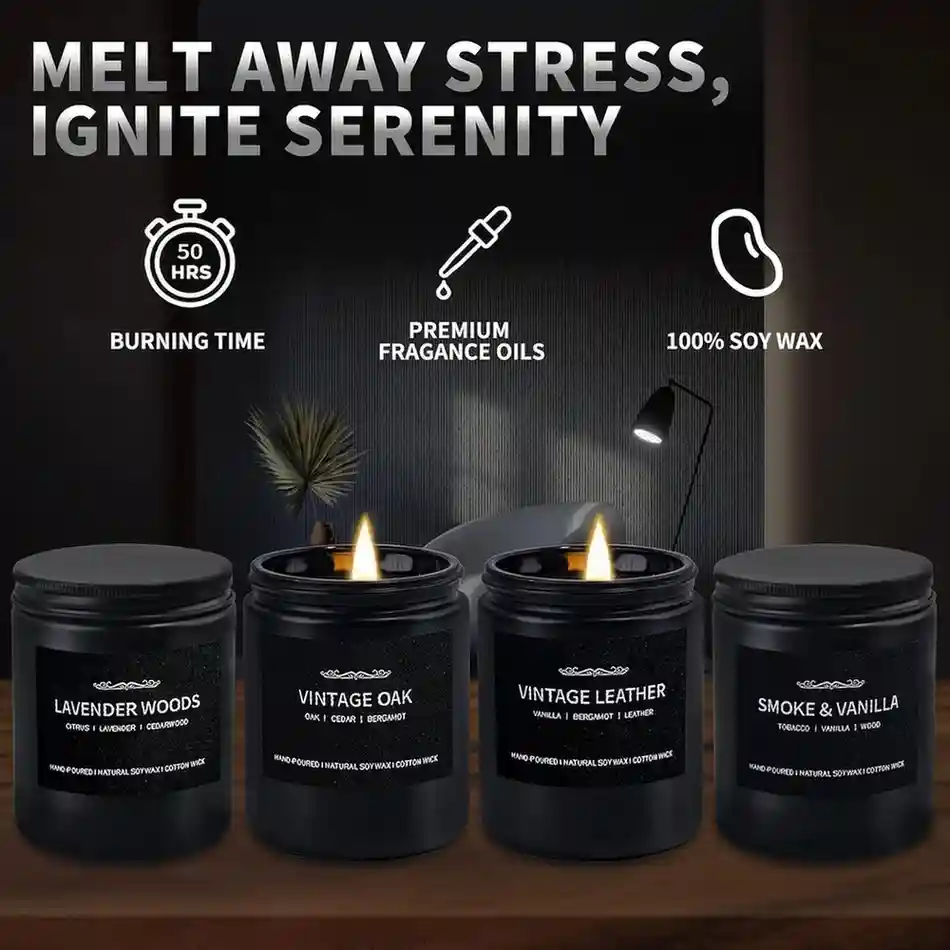
Scented Candle Set, Men Candle Set, Scented Candles for Home
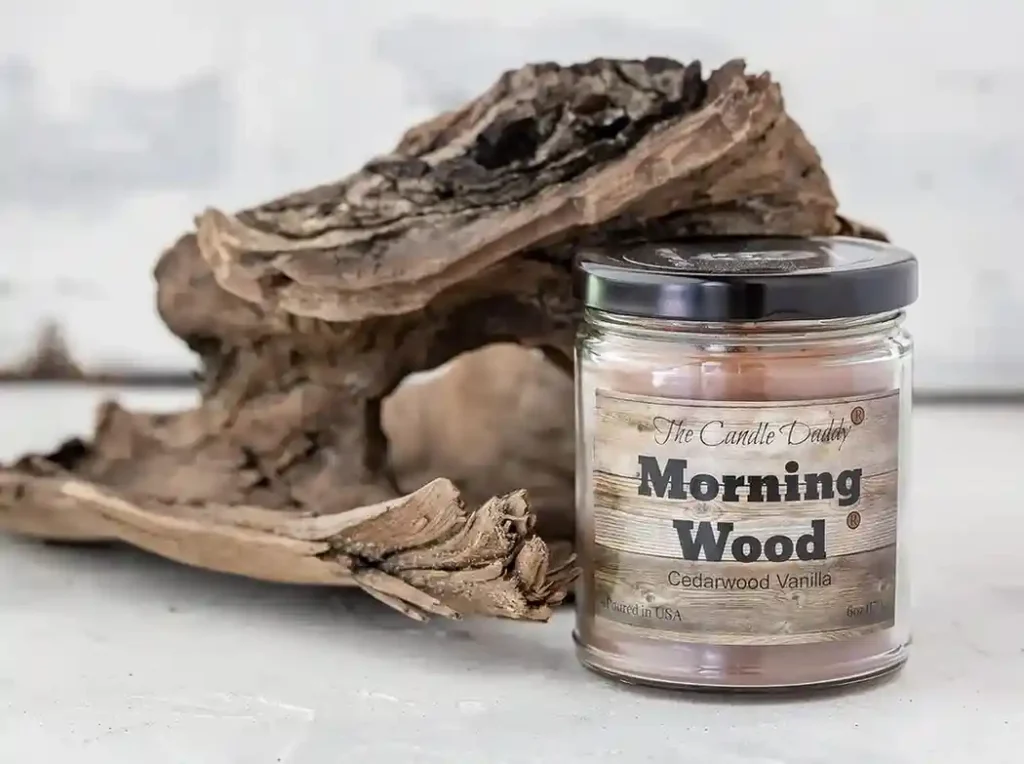
Morning Wood – Cedarwood Vanilla Scent

Scented Candles for Men | Firewood & Campfire

Sweet Water Decor, Be Still and Know, Sea Salt
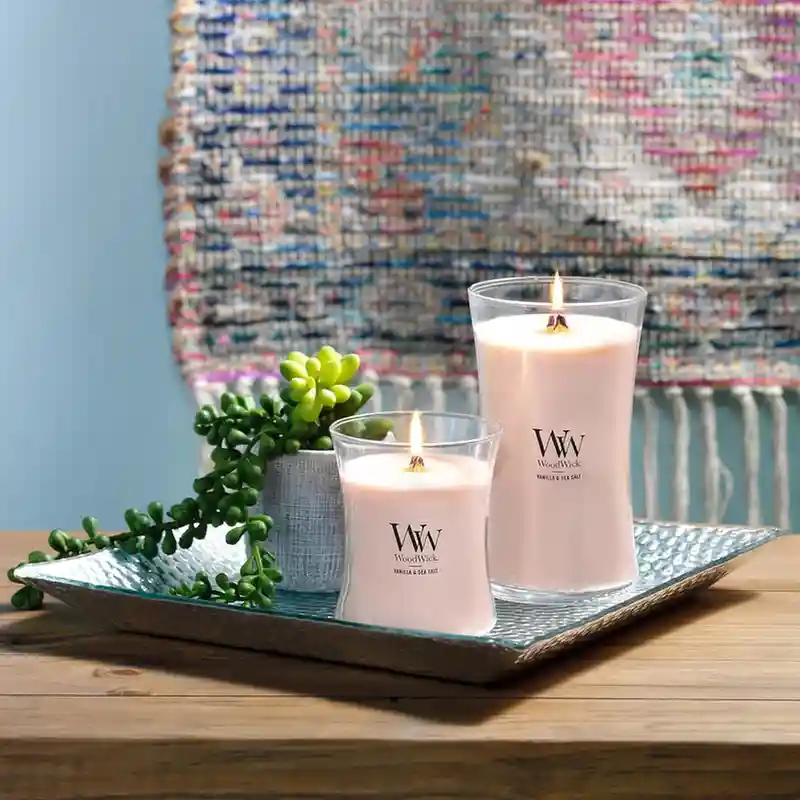
WoodWick Vanilla Sea Salt Large Hourglass Candle
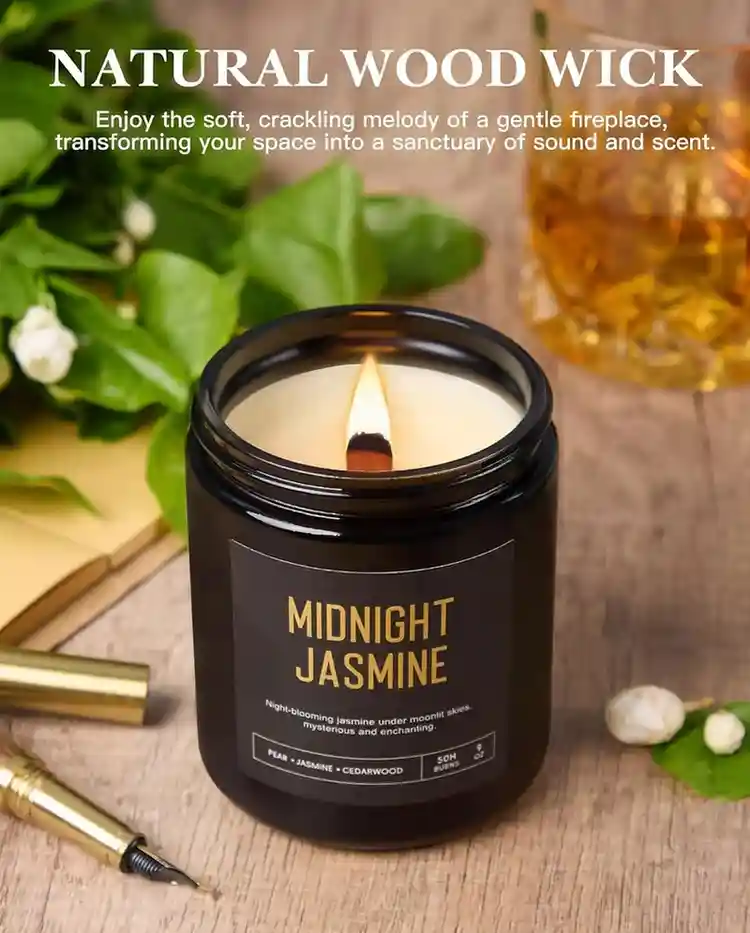
Crackling Wood Wick Candles for Men: 4 Pack 36oz Soy Scented Candles
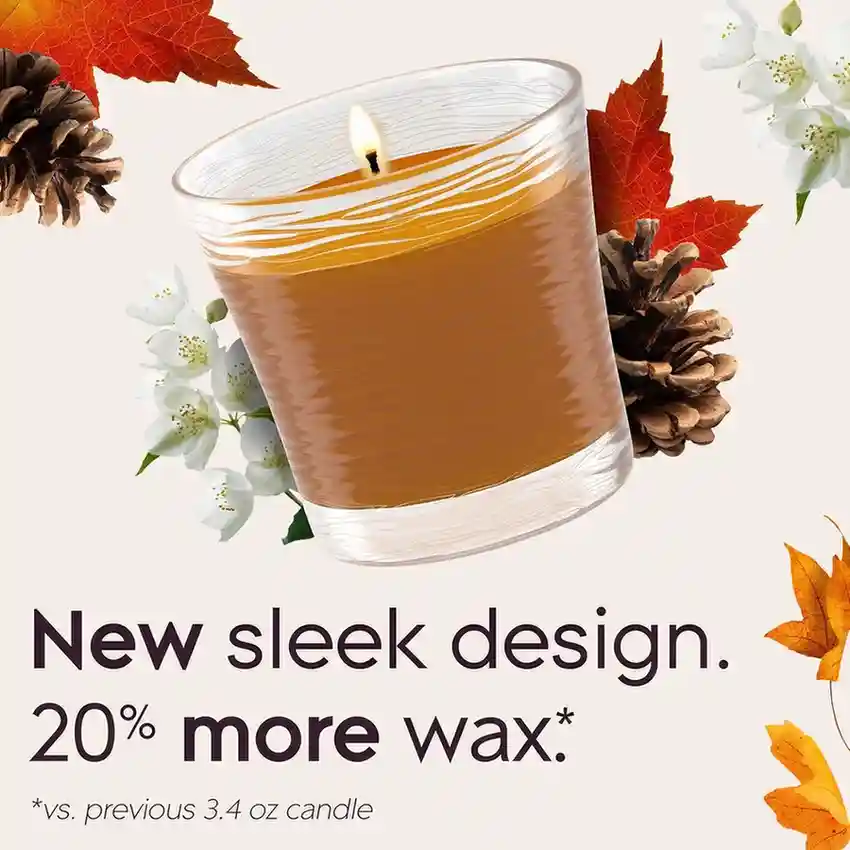
Glade 1-Wick Scented Candle Jar, Cashmere Woods
What Are Wood Smelling Candles? An Introduction to Their Natural, Grounding Fragrance
Wood-smelling candles are a sophisticated category of home fragrance that focuses on notes derived from trees, bark, roots, and resins. These scents are often described as “masculine,” though their appeal is universal. They capture the essence of different wood types, ranging from the creamy softness of sandalwood to the dry, sharp aroma of cedar and the smoky richness of oud.
These candles are designed to evoke a sense of stability and calm. They are often used to create a “cozy” or hygge atmosphere, making them particularly popular during the autumn and winter months. However, their clean, natural profile makes them an excellent year-round choice for anyone seeking a fragrance that is present without being overpowering.
How Wood Smelling Candles Compare to Other Scented Candles The Unique Appeal of Earthy Aromas
In the vast landscape of scented candles, wood scents occupy a unique niche. Understanding how they compare to other families can help you appreciate their distinct character.
- Woody vs. Floral Candles: Floral scents (rose, jasmine) are often bright, heady, and romantic. They lift the energy of a room. Woody scents, in contrast, ground the energy. They are heavier, lingering longer in the air, and provide a backdrop of calm rather than a burst of excitement.
- Woody vs. Fruity Scented Candles: Fruity candles are zesty, sweet, and energetic. They are great for kitchens and morning motivation. Wood-smelling candles are more subdued and contemplative, making them ideal for living rooms, libraries, and bedrooms where relaxation is the goal.
- Woody vs. Gourmand Candles: While gourmand scents (vanilla, caramel) offer comfort through sweetness, woody candles offer comfort through warmth. They provide a sophisticated coziness that feels luxurious rather than sugary.
The appeal of earthy aromas lies in their complexity. A high-quality wood candle is rarely just “wood”; it often contains layers of spice, amber, or musk, creating a rich tapestry of scent that evolves as it burns.
Key Ingredients and Materials in Wood Smelling Candles What Gives Them Their Rich, Woody Fragrance?
The authenticity of a wood-smelling candle depends heavily on the materials used to create it. From the wax base to the source of the fragrance, every element plays a role in the final experience.
The Role of Natural Waxes, Essential Oils, and Wood Extracts in Crafting Wood Candles
- Natural Waxes: The best wood candles often use natural waxes like soy, coconut, or beeswax. Soy wax candles are particularly good for woody scents because they burn cleanly and slowly, allowing the complex base notes of the wood fragrance to release gradually without being scorched.
- Essential Oils: Many premium candles use pure essential oils extracted from wood.
- Cedarwood Oil: Extracted from the wood of the cedar tree, usually via steam distillation. It has a dry, warm, and balsamic scent.
- Sandalwood Oil: A precious oil from the heartwood of the Santalum tree. It is creamy, milky, and incredibly smooth.
- Vetiver Oil: Derived from the roots of a grass, but smells deeply earthy, smoky, and woody.
- Wood Extracts and Resins: Ingredients like frankincense, myrrh, and labdanum are resins often paired with wood notes to add depth and longevity. These materials act as fixatives, helping the lighter scent notes last longer.
The Process of Making Wood Smelling Candles How These Candles Are Created to Evoke Nature
Creating a candle that truly smells like a forest is both a science and an art. It requires a deep understanding of how different scent molecules interact with heat.
Behind the Scenes Crafting Wood Smelling Candles from Raw Materials to Relaxing Ambiance
- Scent Formulation: A perfumer creates the fragrance profile. Woody scents are “base notes,” meaning they are heavy and slow to evaporate. To make a balanced candle, the perfumer might add a “top note” of citrus or pine needles to provide an initial burst of freshness, and a “heart note” of spices to bridge the gap to the woody base.
- Wax Melting and Tempering: The wax is melted to a precise temperature. Woody fragrances, especially those with resins, can be thick and difficult to blend. The wax must be hot enough to incorporate the oil fully but not so hot that it burns off the delicate top notes.
- Wicking: For wood-smelling candles, the choice of wick is crucial. Wooden wicks are a popular choice. Not only do they look beautiful, but they also produce a soft crackling sound that mimics a fireplace, enhancing the woody theme perfectly.
- Curing: Woody scents require a long cure time—often several weeks. This allows the heavy molecules of the wood oils to bind thoroughly with the wax structure (the crystal lattice). A well-cured wood candle will have a much stronger “cold throw” (scent when unlit) and “hot throw” (scent when lit).
How to Use Wood Smelling Candles Tips for Enhancing Your Space with Cozy, Earthy Scents
To get the most out of your candle, you need to use it intentionally. Here is how to create the perfect setting.
Best Practices for Lighting and Enjoying Wood Smelling Candles in Your Home or Office
- Set the Mood: Wood scents are best enjoyed in the evening or during quiet moments. Light one while reading a book, taking a bath, or meditating.
- The First Burn: Allow the candle to burn for at least 2-3 hours the first time you light it. You want the melt pool to reach the edges of the jar scented candles. This prevents “tunneling” and ensures you get the maximum fragrance release.
- Wick Maintenance: If you have a wooden wick, keep it trimmed to about 1/8 inch. If it’s too long, it won’t pull the wax up properly and might extinguish itself. For cotton wicks, trim to 1/4 inch.
- Location: Place the candle in a central location but away from direct drafts. A draft can disperse the scent too quickly. A low coffee table or a mantlepiece is ideal for allowing the heavy wood scent to rise and fill the room.
How to Pair Wood-Smelling Candles with Other Decor Elements to Create a Warm, Inviting Atmosphere
- Textures: Pair the olfactory experience with tactile ones. Use soft wool throws, velvet cushions, and faux fur rugs. The richness of the wood scent complements these luxurious textures.
- Natural Elements: enhance the theme by decorating with pinecones, dried branches, or a cast iron incense holder. Bringing actual wood elements into the room reinforces the visual connection to nature.
- Lighting: Dim the lights. Wood scents feel warmer in soft, amber lighting. The glow of the candle combined with low lamps creates a cozy “cave-like” feeling that feels safe and protective.
The Benefits of Wood Smelling Candles More Than Just an Aroma
Beyond the pleasant smell, woody fragrances have a profound impact on our psychological state.
How Wood Candles Can Help Relax, Calm, and Enhance Your Mood
Earthy scents are naturally grounding. In a world of constant digital stimulation, the smell of wood pulls us back to the physical world.
- Grounding: When you feel “flighty” or anxious, a heavy scent like cedar or patchouli can help you feel rooted and stable.
- Comfort: The association of wood with shelter and warmth makes these scents inherently comforting. They can help alleviate feelings of loneliness or sadness by creating a sense of being “held” by the environment.
- Connection to Nature: For those living in cities, a pine or fir candle can be a vital substitute for a walk in the woods, providing a micro-dose of “forest bathing” (Shinrin-yoku).
The Therapeutic Effects of Wood Smelling Candles in Aromatherapy Stress Relief, Focus, and Comfort
In aromatherapy candles, wood oils are prized for their specific medicinal properties.
- Sandalwood: Known for calming the nervous system and aiding in meditation. It quiets the mental chatter. Sandalwood incense sticks are famously used for this purpose in temples.
- Cedarwood: Contains cedrol, a compound shown to have a sedative effect. It promotes restful sleep and reduces anxiety.
- Pine/Fir: These scents are invigorating and can help clear the respiratory tract. They are excellent for mental fatigue, helping to “clear the cobwebs” and improve focus.
Popular Wood Smelling Candle Scents and Their Unique Properties
Not all wood scents are created equal. Here is a guide to the most popular varieties.
Top Wood Scented Candle Scents Sandalwood, Cedarwood, Oak, Pine, and More
- Sandalwood: Soft, creamy, sweet, and exotic. It pairs beautifully with vanilla or jasmine.
- Cedarwood: Dry, sharp, clean, and pencil-shaving-like. It is often paired with citrus for a fresh, masculine scent. Cedar incense sticks share this crisp profile.
- Pine/Fir Needle: Fresh, resinous, and green. This is the scent of Christmas trees and winter forests.
- Oakmoss: Actually a lichen that grows on oak trees, it smells damp, earthy, and bark-like. It is a staple in “chypre” perfumes.
- Palo Santo: “Holy Wood” from South America. It has a unique scent that is woody, sweet, minty, and citrusy all at once. Santo Palo sticks are burned for spiritual cleansing.
- Oud (Agarwood): The most expensive wood in the world. It is dark, animalistic, smoky, and incredibly intense.
What Does Each Wood Scented Candle Aroma Represent? Understanding the Symbolism and Effects
- Sandalwood: Spirituality, inner peace, and higher consciousness.
- Cedar: Protection, strength, and purification.
- Pine: Immortality, resilience, and clarity.
- Oak: Endurance, wisdom, and nobility.
- Birch: Renewal, new beginnings, and cleansing.
Understanding these meanings can help you choose a candle that aligns with your intention, similar to how one might choose specific incense sticks for a ritual.
A Complete Buying Guide for Wood Smelling Candles How to Choose the Right One for Your Home
With so many options on the market, finding the perfect wood candle can be a journey.
Key Features to Look for When Purchasing Wood Smelling Candles
- Wax Type: Look for “100% soy wax” or “coconut wax blend.” Avoid “paraffin blend” if you want a cleaner burn, though paraffin often holds heavy wood scents very well.
- Fragrance Notes: Read the description carefully. A candle labeled “Woodfire” might actually smell mostly of vanilla. Look for the base notes listed on the packaging.
- Wick Type: Decide if you want the crackle of a wood wick or the silence of a cotton wick.
- Vessel: Wood scents are often heavy; ensure the vessel is sturdy. Dark glass or ceramic jars often protect the oils from light better than clear glass.
Best Places to Buy High Quality Wood Smelling Candles Online and In Stores
- Specialty Boutiques: Shops that specialize in “hygge” or home decor often curate the best woody scents.
- Online Marketplaces: Platforms like Etsy are great for finding hand-poured, small-batch candles using real essential oils.
- Incense & Fragrance Retailers: Stores that sell incense burners and holders often carry high-quality candles with similar scent profiles, such as Nag Champa or Patchouli-wood blends.
Health, Safety, and Environmental Considerations When Burning Wood Smelling Candles
Enjoying your candles responsibly ensures a healthy home environment.
Are Wood Smelling Candles Safe to Burn Indoors? Best Practices for Safe Use
Yes, they are safe, provided you follow basic fire safety.
- Never leave a burning candle unattended.
- Place the candle on a heat-resistant surface, like a stone coaster or a vrupin natural marble incense burner which can double as a candle plate.
- Stop burning when 1/2 inch of wax remains to prevent the glass from overheating.
Health Precautions How to Safely Burn Wood Smelling Candles Around Children and Pets
- Ventilation: Wood scents can be intense. Ensure there is airflow in the room so the scent doesn’t become overwhelming for sensitive lungs.
- Pet Safety: Essential oils can be toxic to pets if ingested or if the concentration in the air is too high. Pine and tea tree oils, often found in wood blends, can be harmful to cats. Always allow your pet a way to leave the room.
Eco Friendly and Sustainable Wood Smelling Candles Choosing Non Toxic, Environmentally Conscious Options
- Sustainable Sourcing: Some woods, like Sandalwood and Rosewood, are endangered. Look for brands that use sustainably harvested Australian Sandalwood or synthetic safe alternatives that mimic the scent without harming the forest.
- Clean Ingredients: Look for “phthalate-free” fragrances and lead-free wicks.
- Reusable Vessels: Choose candles in jars that can be repurposed. A cleaned-out candle jar makes a great holder for bamboo incense stick holders or pens.
How to Care for and Maintain Your Wood Smelling Candles for Maximum Longevity
Treat your candle well, and it will reward you with hours of beautiful fragrance.
Proper Storage and Care Tips to Keep Your Wood Scented Candles Fresh and Long-Lasting
- Keep it Covered: Wood essential oils can evaporate. Always replace the lid when the candle is cool.
- Cool and Dark: Heat causes oils to “sweat” out of the wax. Store candles in a cupboard away from sunlight.
Candle Maintenance How to Extend the Burn Time and Preserve the Scent of Wood Candles
- Trim the Wick: We cannot stress this enough. A trimmed wick burns cooler and slower.
- Fixing Tunneling: If your candle tunnels, wrap a piece of aluminum foil around the top of the jar, leaving a hole for the flame. This reflects heat back down and melts the hard wax on the sides.
- Clean the Wax: Remove any soot or wick debris from the melt pool. This debris can catch fire or alter the scent of the pure wood fragrance.
Frequently Asked Questions About Wood Smelling Candles People Also Ask
What Are the Best Wood Smelling Candles for Creating a Cozy, Autumn Atmosphere?
Scents that blend wood with spice are best for autumn. Look for Cedarwood blended with cinnamon, or Sandalwood mixed with amber. These combinations mimic the smell of a warm hearth.
How Long Do Wood Smelling Candles Burn, and How Can I Make Them Last Longer?
Burn time varies by size, but a standard 8oz jar burns for 40-50 hours. To extend it, burn for no more than 4 hours at a time, and always trim the wick.
Can Wood Smelling Candles Be Used for Relaxation or Meditation?
Absolutely. Sandalwood, Cedar, and Palo Santo scents are specifically used to induce meditative states. The act of gazing at the flame (trataka) combined with the grounding scent is a powerful relaxation technique.
How Do Wood Smelling Candles Compare to Other Earthy Scents Like Leather or Tobacco?
Leather and tobacco are “dry” scents often grouped with woods. Leather is more animalistic and sharp, while tobacco is sweeter and more herbaceous. Wood scents are generally cleaner and more resinous than both.
Are Wood Smelling Candles Safe for People with Respiratory Issues or Allergies?
If you have asthma or severe allergies, smoke of any kind can be an irritant. Soy candles produce less soot than paraffin. However, you might be safer using a candle warmer lamp, which melts the wax to release scent without any flame or smoke.
What wood scent is best for anxiety relief?
Sandalwood and Cedarwood are the top choices for anxiety. Their chemical components have been shown to have sedative effects on the nervous system, promoting deep calm and relaxation.
Why do some wood candles have wooden wicks?
Wooden wicks are used to enhance the sensory experience. They create a soft crackling sound when they burn, reminiscent of a real wood-burning fireplace, adding to the cozy ambiance.
Are pine scented candles only for Christmas?
No, high-quality pine or fir candles can be enjoyed year-round. They offer a fresh, clean, and invigorating scent that brings the feeling of a crisp forest walk into your home, regardless of the season.
Is Sandalwood an endangered tree?
Indian Sandalwood is endangered. Responsible candle brands now use sustainably harvested Australian Sandalwood (Santalum spicatum) or high-quality fragrance oils to protect the species.
What is the difference between Cedarwood and Sandalwood?
Cedarwood is dry, spicy, and woody, smelling like a forest or pencil shavings. Sandalwood is creamy, milky, smooth, and sweet. They are often blended together to create a complex scent.
Can I mix wood candles with other scents?
Yes, wood scents are excellent bases for layering. Try burning a Cedarwood candle alongside a Vanilla candle for a warm, sweet blend, or with a Lemon candle for a fresh, clean aroma.
Do wood candles smell like smoke?
Some do. Candles labeled “Fireplace,” “Embers,” or “Oud” often have smoky notes. If you want a clean wood scent without the smoke, look for “Fresh Cut Pine” or “White Birch.”
Are soy wax candles better for wood scents?
Soy wax burns at a lower temperature, which helps the heavy, complex molecules of wood oils release slowly and evenly. This prevents the scent from burning off too quickly.
Why does my wood candle smell weak?
Wood scents are subtle base notes. They may take longer to fill a room than sharp citrus scents. Ensure you have a large enough melt pool, or try moving the candle to a smaller room.
Can I use wood candles in the bathroom?
Yes, wood scents like Hinoki (Japanese Cypress) or Cedar are perfect for creating a spa-like atmosphere in a bathroom, turning a simple bath into a forest retreat.
What is Palo Santo scent?
Palo Santo means “Holy Wood.” It has a unique, complex aroma that is woody but also has notes of pine, mint, and lemon. It is traditionally used for spiritual cleansing and clearing negative energy.
Are wood candles safe for pets?
Most are safe in moderation, but be careful with essential oils like Pine or Tea Tree, which can be toxic to cats. Always burn in a ventilated area and watch your pet for signs of irritation.
How do I stop my wooden wick from going out?
Wooden wicks need to be trimmed very short (about 1/8 inch). If the flame is too small or goes out, pinch off the charred wood from the tip of the wick before relighting.
What is Oud?
Oud (or Agarwood) is a resinous heartwood that forms in Aquilaria trees when they become infected with mold. It has a rich, musty, woody-nutty scent and is highly prized in luxury perfumery.
Can wood candles cover up bad odors?
Yes, wood scents are strong and complex enough to mask odors. Cedar and Pine are particularly good at neutralizing smells and leaving the room feeling fresh and clean.